
NEWS
BREAKING: King Charles Announces Ban on LGBTQIA+ Conversion Therapy and Declares the Practice Harmful in Major Birthday Announcement as He Celebrates His 78th Birthday

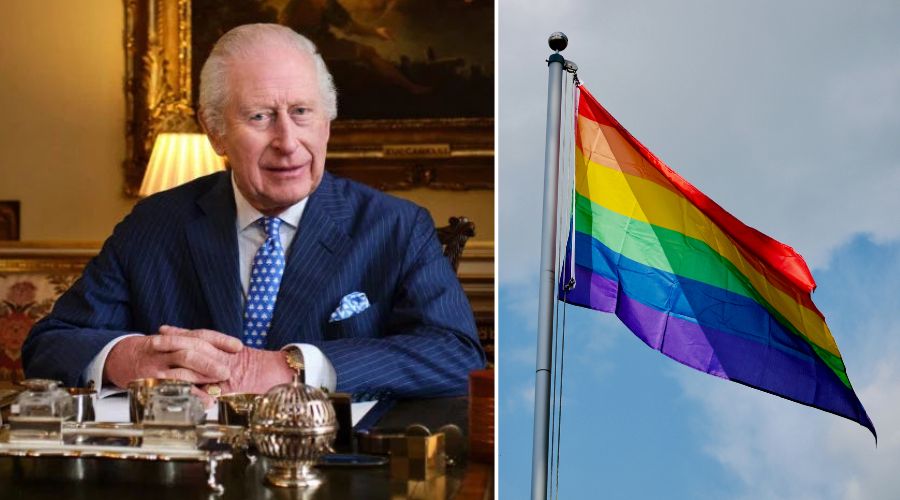
King Charles has reached his 78th birthday amid renewed conversations about equality, human rights, and the treatment of LGBTQIA+ people, bringing attention to an important social issue.
One subject that continues to attract international attention is conversion therapy, a controversial practice aimed at changing or suppressing someone’s sexual orientation or gender identity.
For many LGBTQIA+ individuals and human rights advocates, the practice represents a deeply troubling issue that deserves greater attention from governments, institutions, and society.
Critics argue that attempts to change someone’s sexual orientation or gender identity can cause serious emotional distress, particularly when individuals experience pressure from family members, religious communities, or other influential figures.
The debate has continued across different countries, with campaigners calling for stronger protections against practices they consider harmful, coercive, and inconsistent with personal dignity.
Conversion therapy can take different forms, depending on the individuals and organisations involved. Some approaches involve counselling, while others include religious interventions and more aggressive psychological pressure.

Opponents argue that nobody should be forced to change an aspect of their identity to satisfy another person’s expectations or beliefs.
The issue has also attracted attention from medical and psychological organisations, with many professional bodies warning against attempts to change someone’s sexual orientation or gender identity.
For LGBTQIA+ campaigners, legal protections are particularly important because vulnerable individuals may struggle to challenge practices imposed by people they trust.
The calls for a ban have therefore become part of a broader conversation about personal freedom, equality, and protection from discrimination.
King Charles’s 78th birthday provides an opportunity to reflect on the wider responsibilities associated with public leadership and the importance of discussions surrounding human dignity.
Although no verified announcement establishing a new royal ban has been provided, the subject remains significant within conversations about equality and human rights.
The British monarchy has historically occupied an important position in national conversations, although government legislation and official policy decisions remain matters for the appropriate constitutional institutions.
A national ban on conversion therapy would require formal government action, with the precise protections and enforcement arrangements determined through the relevant legislative process.
Supporters of a ban believe stronger safeguards could help protect people from coercion, emotional manipulation, and interventions that undermine their sense of identity.
Others continue debating how legislation should be designed, particularly regarding the boundaries between harmful conversion practices and ordinary conversations about personal beliefs.
These discussions demonstrate why the issue remains complicated, requiring careful consideration of individual freedoms, safeguarding responsibilities, and the protection of vulnerable people.
For LGBTQIA+ communities, however, the central concern remains straightforward: everyone deserves to live without being pressured into changing who they are.
As King Charles celebrates another birthday, the wider conversation about equality, dignity, and human rights continues to attract attention across Britain and beyond.
The debate surrounding conversion therapy is unlikely to disappear soon, particularly as campaigners continue pressing governments to introduce stronger protections.
Ultimately, the discussion raises an important question about how societies should protect individual dignity while ensuring that nobody experiences coercion because of their identity.

FIRST LOOK: King Charles Completely Breaks Down in Tears as He Hugs His Grandkids Archie and Lilibet for the First Time After Receiving an Unexpected Surprise Visit From Prince Harry and Meghan Markle With Their Kids on His 78th Birthday, Despite Strictly Not Being Invited, and the Heartwarming Moment Is Melting Hearts

BREAKING: King Charles Announces Ban on LGBTQIA+ Conversion Therapy and Declares the Practice Harmful in Major Birthday Announcement as He Celebrates His 78th Birthday

BREAKING: President Trump has completely broken down, after Trump’s speech tonight at the White House, they accidentally forgot to turn off the camera and microphone and captured this

BREAKING: President Trump suffers a serious wardrobe malfunction after camera accidentally captures an embarrassing bulge in his jacket while he sits during a recent interview, revealing what many have been saying he wears all along

BREAKING: Trump Nearly Loses His Balance During White House Interview with Stephen A. Smith as He Says, “Over 300,000 Lost Their Federal Jobs. You Told Me…” Before Trump Interrupts, “They All Got New Jobs,” but What Stephen Does Next Raises Bigger Questions as He Appears to Signal to Save Trump Before It’s Too Late

Zendaya and Tom Holland Have Broken Up, but What Has Fans Talking Is Tom’s New 20-Year-Old Girlfriend!

Princess Leonor of Spain, 21, Spotted Enjoying an Intimate Beach Getaway with Six Mysterious Men Without Her Family, as One Unexpected Moment Captured in the Photos Raises Eyebrows and Leaves Royal Fans Asking Questions.

Prince Harry, 42, Spotted at a Glamorous NYC Hotel with a Mysterious 31-Year-Old Woman Without His Wife Meghan Markle, 45, as His Secret New York Trip Raises Eyebrows Just Days After the Couple Moved into Their New UK Home, But One Unexpected Detail Has Everyone Talking.

Prince Harry, 42, Spotted Enjoying a Secretive and Intimate Vacation in the UK with a Mysterious 31-Year-Old Woman Without His Wife Meghan Markle, 45, But One Shocking Detail Has Left Fans Raising Serious Questions.

Taylor Swift Enjoys a Lovely Day at the Beach with Travis Kelce Despite Everything Happening Between Them, But Fans Can’t Help Noticing One Unexpected Detail.

Breaking: Katy Perry’s Ex-Husband Russell Brand Convicted of Raping a Fan and Assaulting Three Women. Write a blog on this story for me
